A Modern Approach to Surface Restoration
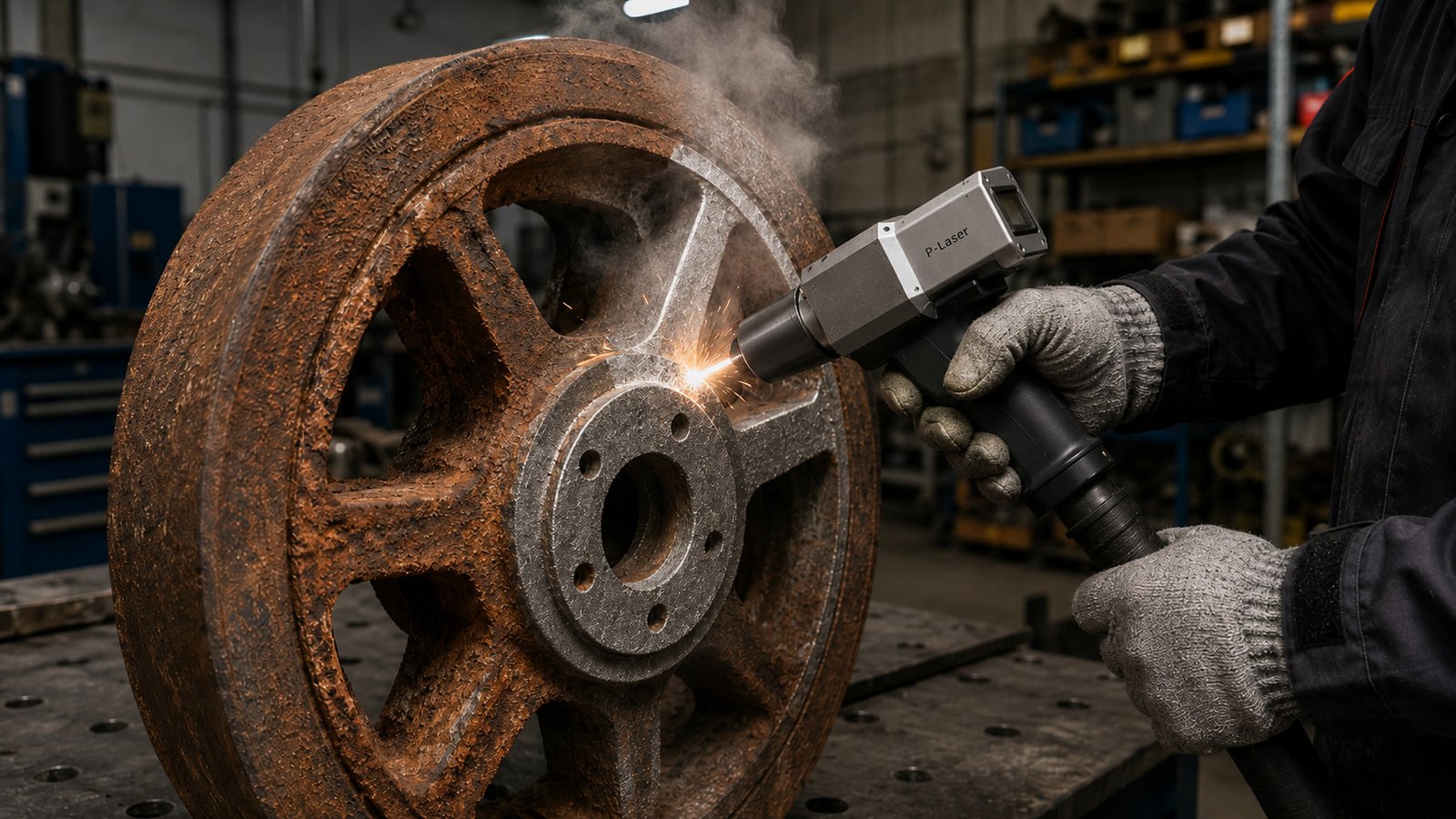
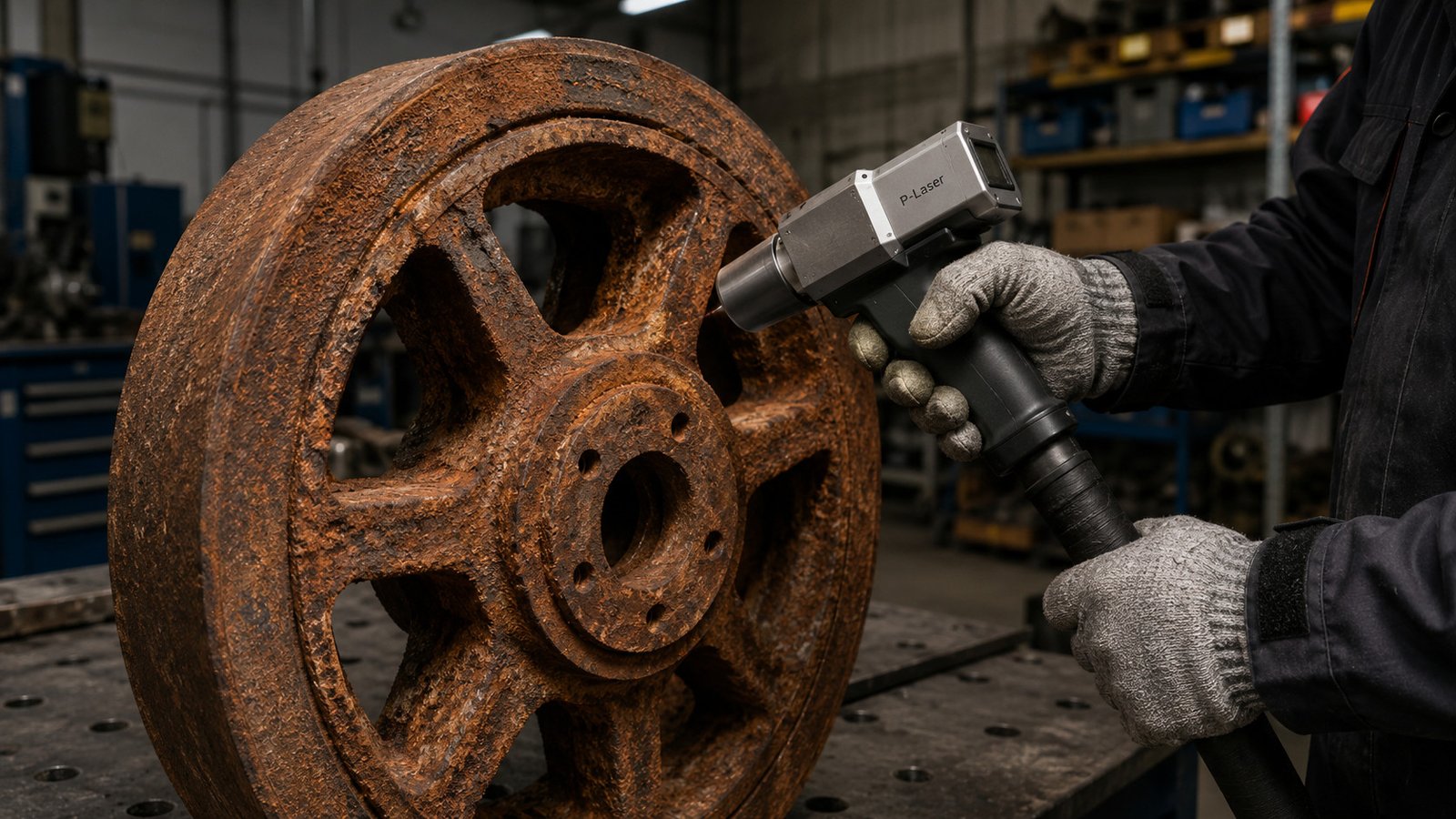
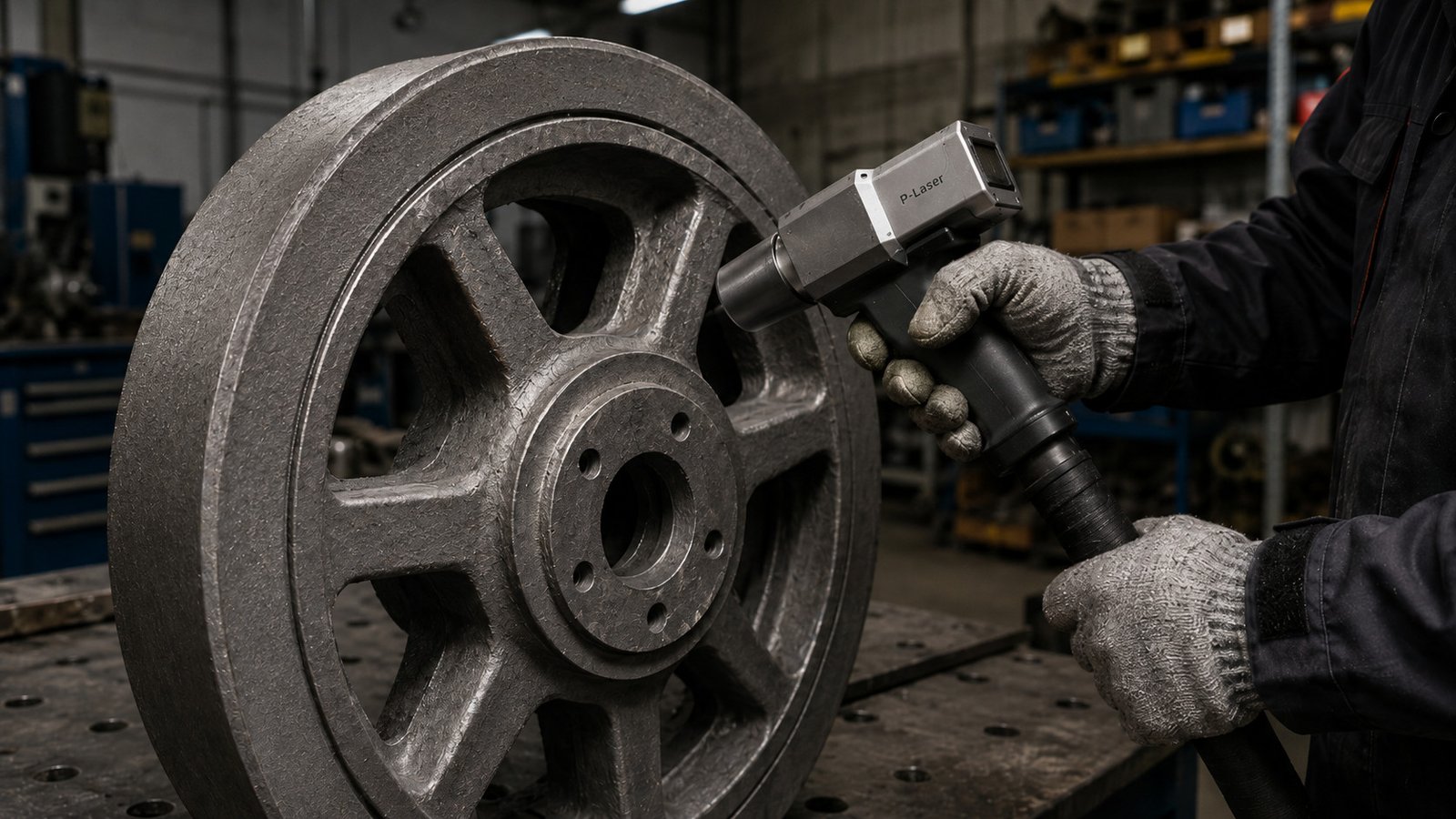
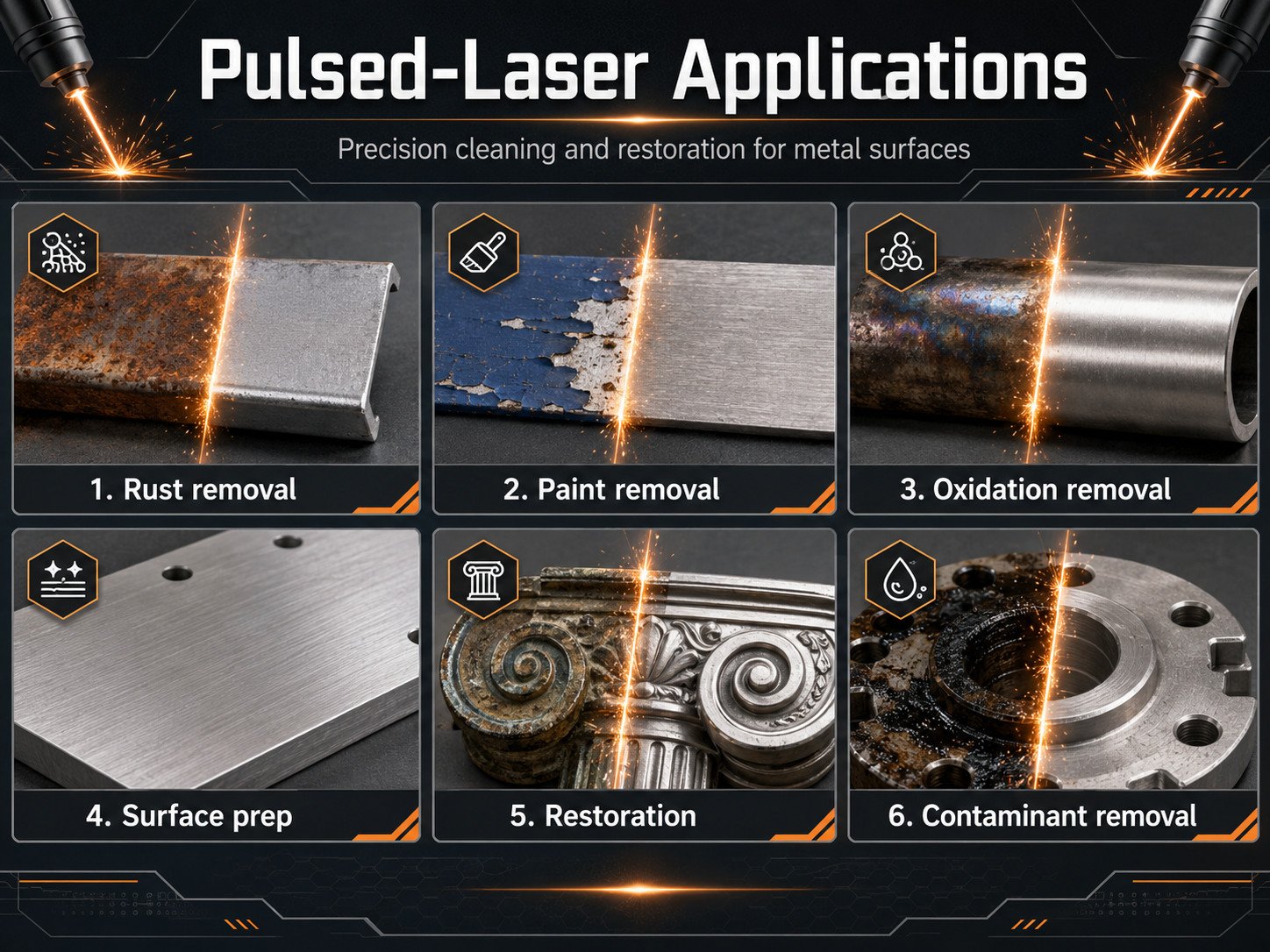
Laser cleaning is a surface restoration process that uses concentrated light energy to remove unwanted material from a surface. It can be used to remove rust, paint, oxidation, residue, grime, and certain coatings from metal, wood, and other select materials.
Unlike traditional methods that rely on sanding, grinding, scraping, chemical stripping, or abrasive blasting, laser cleaning uses focused energy to target the layer that needs to be removed. For many projects, this allows for a cleaner, more controlled process with less mess and a reduced need for harsh chemicals or blasting media.
At Precision Laser Restoration, we use pulsed-laser cleaning technology, which releases energy in short, controlled bursts. These pulses help separate unwanted surface material from the base surface beneath it, making laser cleaning a valuable option for rust removal, coating removal, surface preparation, equipment cleaning, and specialty restoration projects.
How Does Laser Cleaning Work?
Laser cleaning works through a process called laser ablation. In simple terms, the laser directs focused light energy at the unwanted surface layer. That layer absorbs the energy, heats rapidly, and breaks its bond with the underlying material.
Depending on the surface and the material being removed, the unwanted layer may loosen, flake away, vaporize, or release from the surface as the laser passes over it.
The process can be adjusted based on the project, including the material, coating thickness, level of buildup, and desired result. That control is one of the reasons laser cleaning is useful for detailed, irregular, or high-value surfaces where a more careful approach is needed.
What Is Pulsed-Laser Cleaning?
Pulsed-laser cleaning uses short bursts of laser energy rather than a continuous beam. Each pulse delivers concentrated energy to the surface for a very brief moment, allowing the laser to target rust, paint, oxidation, or buildup with precision.
This pulsed approach can help limit unnecessary heat exposure and gives the operator greater control over how material is removed. That makes it especially useful for restoration projects, detailed surfaces, metal cleaning, automotive parts, equipment, furniture, and other applications where precision matters.
In practical terms, pulsed-laser cleaning is designed to remove the unwanted surface layer while preserving as much of the base material as possible.
What Can Laser Cleaning Remove?
Depending on the surface, coating, and project conditions, laser cleaning may be used to remove or reduce:
- Rust
- Oxidation
- Paint
- Surface Coatings
- Grime
- Residue
- Carbon Buildup
- Corrosion
- Finish Layers
- Surface Contamination
Laser cleaning is often used for restoration, refinishing, repair preparation, coating removal, and general surface preparation. Results vary by material, coating thickness, surface condition, and the final goal of the project.
What Materials Can Be Cleaned?
Laser cleaning is commonly used on many metal surfaces and can also be used for select wood and specialty restoration projects.
Possible applications include:
- Steel
- Iron
- Aluminum
- Stainless Steel
- Cast Iron
- Automotive Parts
- Machinery and Equipment
- Tools
- Railings and Gates
- Furniture
- Reclaimed Wood
- Architectural Features
- Decorative or historic pieces
Not every material or coating is a perfect fit for laser cleaning. That is why Precision Laser Restoration evaluates each project before beginning work.
Is Laser Restoration Eco-Friendly?
Pulsed laser is the new eco-friendly option for cleaning and restoration projects because of how it eliminates chemical solvents, avoids abrasive mediums, and requires no water waste by using targeted precise light pulses to vaporize the contaminants such as rust, paint, and grime while leaving the underlying material completely safe.
Environmental Benefits
- Zero Chemicals Used: Pulsed laser cleaning and restoration uses no hazardous solvents or harsh acids that release volatile organic compounds (VOC) and pollute the air and water.
- Zero Abrasive Waste: Pulsed laser methods replace sand, glass beads, or plastic pellets, which leave behind dirty, unrecyclable particulate debris.
- Saves Water: Pulsed laser restoration and cleaning requires no water or high-pressure washing systems that can run off and pollute local drainage systems.
- Minimal Secondary Waste: Pulsed laser cleaning vaporizes rust, paint, and dirt cleanly on contact, leaving only minor particulate matter that is easily captured by standard extraction filters or fumes extractors. Pulsed lasers also don't produce any slurries or chemical runoff.
- Material Preservation: Pulsed laser restoration protects the original lifespan of structures and artifacts, reducing the need for premature replacement or material manufacturing.
How Is Laser Cleaning Different from Sandblasting?
Sandblasting and other abrasive methods remove material by forcefully striking the surface with blasting media. These methods can be effective, but they can also create dust, waste, surface wear, and significant cleanup.
Laser cleaning works differently. It uses focused light energy to target the unwanted surface layer. Because there is no blasting media, there is less secondary waste and no abrasive material left behind.
For some projects, sandblasting may still be the right option. For others, especially those requiring more control, less mess, or a gentler approach, laser cleaning may be a better fit.
How Is Laser Cleaning Different from Chemical Stripping?
Chemical stripping uses solvents or chemical agents to soften or dissolve paint, coatings, or other surface layers. This can work well in some cases, but it may involve fumes, residue, disposal concerns, and additional cleanup.
Laser cleaning reduces or eliminates the need for chemical stripping on many projects. Instead of applying chemicals to the surface, the laser uses controlled energy to break down or release the unwanted material.
This can make laser cleaning an appealing option for customers who want a cleaner process with fewer chemical byproducts.
Is Laser Cleaning Safe for Every Surface?
No single cleaning method is right for every surface. Laser cleaning is highly effective for many applications, but results depend on the base material, coating type, thickness, condition, and desired finish.
Some surfaces may require testing before full cleaning begins. In other cases, another restoration method may be more appropriate.
Precision Laser Restoration evaluates each project carefully so we can recommend the best approach and set clear expectations before work begins.
Is Laser Cleaning Right for My Project?
The best way to know whether laser cleaning is right for your project is to have the surface reviewed by our team. Photos, measurements, material details, and a description of what you want removed can help determine whether pulsed-laser cleaning is a good fit.
Precision Laser Restoration can evaluate your project and explain what to expect before work begins.
Request a Project Review
Have rust, paint, oxidation, or surface buildup that needs to be removed? Precision Laser Restoration can help determine whether pulsed-laser cleaning is the right solution.
Contact us today to request a project review, share photos, or learn more about laser cleaning services in the Shenandoah Valley and surrounding regions.